
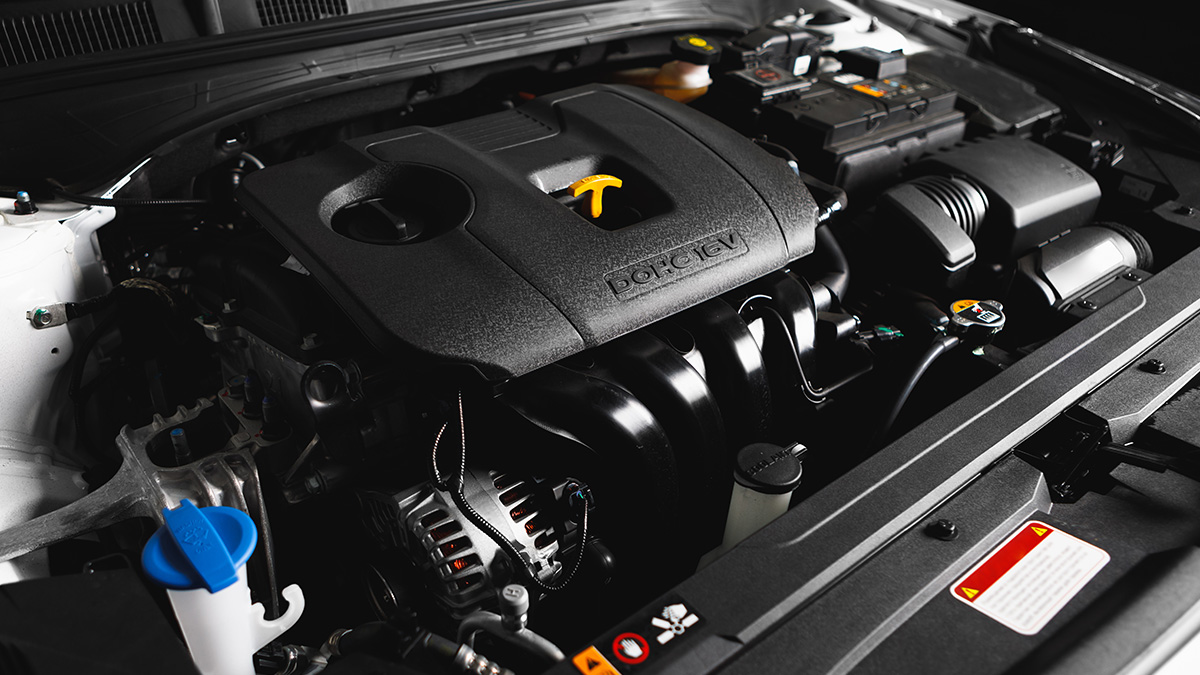
The fundamental goal is to seat new piston rings against a fresh cylinder wall to create a tight, efficient seal. Every engine, builder and application brings its own nuances, so there’s no universal, one-size-fits-all procedure, but the oil you choose can make all the difference.
Why Break-In Matters
Freshly machined cylinders are full of microscopic peaks and valleys. The goal during break-in is to wear down those peaks just enough for the rings to seat tightly, without glazing the cylinder or causing excessive wear. If you don’t apply enough load, the rings won’t seat properly, leading to poor compression and increased oil consumption. Too much load and you risk damaging the rings, pistons or cylinder walls. The “art” of break-in is finding that sweet spot of enough load and rpm variation to promote proper seating, but not so much that you cause harm.

The Role of Break-In Oil
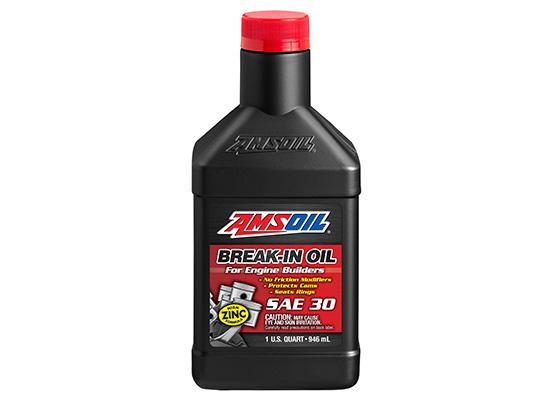
A specifically designed break-in oil helps maintain “controlled wear” at the ring-cylinder interface. However, most modern engine oils are loaded with friction modifiers like molybdenum (moly), which are great for reducing wear in a mature engine, but can actually prevent the rings from seating during break-in. AMSOIL Break-In Oil (BRK) is formulated without friction modifiers, allowing the right amount of wear to occur for optimal ring seating.
Break-in oil has a secondary job to protect other components like the valvetrain, cam lobes and main bearings, especially in engines built for increased torque and horsepower. AMSOIL Break-In Oil is boosted with high levels of zinc and phosphorus (ZDDP), which form a protective film on metal surfaces that helps prevent scuffing and premature wear. Its robust film strength ensures that critical parts are shielded from damage, even under high loads in high-performance and racing engines.

How AMSOIL Break-In Oil Works
Insufficient break-in leaves peaks that prevent proper ring seating and allow excess oil to burn during combustion. Too much break-in wear can cause glazing that prevents oil from lubricating the cylinder wall. The friction-modifier-free formula of AMSOIL Break-In Oil allows the sharp peaks on honed cylinder walls to partially flatten. This increases the surface area for the rings to seat against, forming a dynamic seal that boosts compression, horsepower and torque.
Measuring Success
When the rings are fully seated and have formed a tight seal against the cylinder walls, no oil residue will be evident on the exhaust ports. A blowby meter can be used to measure the flow of gases escaping past the rings into the crankcase. As the rings seat, blowby decreases, signaling that the seal is forming. Relative power output should also increase as the rings seal. A leveling off in power output indicates that the top and second rings have seated.
When to Switch to Regular Oil
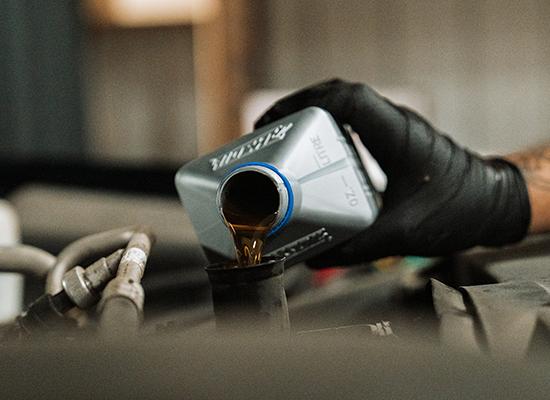
Break-in duration varies by engine. AMSOIL Break-In Oil should only be used for the first few hundred miles or until the manufacturer-recommended break-in period is complete . Afterward, drain the break-in oil and switch to a high-performance AMSOIL synthetic oil that meets the engine builder’s or manufacturer’s specifications to maximize engine protection, performance and longevity.
The Bottom Line
An effective break-in process ensures maximum engine performance and reliability. AMSOIL Break-In Oil provides the controlled wear needed for proper ring seating to deliver maximum compression, which helps achieve the most horsepower and torque in new and rebuilt high-performance and racing engines. It can be the difference between an engine that runs strong and one that falls short of its potential.

by Garret Gibeau
Product Development Engineer